

14 Truths and Myths About CBD and Cannabis
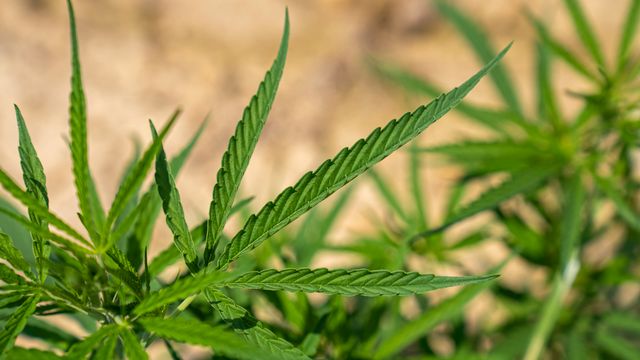
Understanding the difference between industrial hemp and psychoactive marijuana is key to properly understanding cannabinoids. Under the US Farm Bill, industrial hemp contains minimal amounts of tetrahydrocannabinol (THC below 0.3% on a dry weight basis) and a high concentration of cannabidiol (CBD), which is why it has no psychoactive or intoxicating effects.
1. What is cannabis, and what is the difference between hemp and marijuana?
The Cannabis sativa plant has different varieties that vary in their chemical composition and legal status [Source: Botanical research on cannabis varieties]. The primary difference lies in the concentration of the psychoactive compound THC (tetrahydrocannabinol):
-
Industrial Hemp: Contains extremely low levels of THC (under 0.3% in the US) and is rich in beneficial cannabinoids like CBD, CBG, and CBN. It does not cause intoxication.
-
Marijuana: A variety with high THC content (often between 10% and 30%+), intended for medical or adult/recreational use, which has a distinct psychoactive effect.
| Feature | Industrial Hemp | Marijuana |
| Primary Cannabinoid | CBD (Cannabidiol) | THC (Tetrahydrocannabinol) |
| THC Content | < 0.3% (US legal limit) | 10% – 30%+ |
| Psychoactive Effect | No (Non-intoxicating) | Yes (Intoxicating) |
| Legal Status | Federally legal | State-regulated or prohibited |
2. What is the difference between CBD and THC?
CBD (cannabidiol) and THC (tetrahydrocannabinol) are the two most researched cannabinoids, and they affect the body in distinctly different ways:
-
THC: Binds directly to CB1 receptors in the central nervous system, triggering an intoxicating high, slowed reaction times, and altered cognitive perception.
-
CBD: Does not bind directly to CB1 receptors; instead, it modulates their activity and stimulates the body’s natural production of endocannabinoids.
3. Is CBD (Cannabidiol) a controlled substance or narcotic?
No, CBD is not a controlled substance or narcotic. The World Health Organization (WHO) formally confirmed in a report that CBD is non-addicting, non-intoxicating, and exhibits a good safety profile [Source: World Health Organization — CBD Critical Review Report]. CBD interacts with the human endocannabinoid system without altering cognitive functions or mental clarity.
4. What is the Endocannabinoid System (ECS), and why is it important?
The endocannabinoid system is a complex cell-signaling network in the human body discovered in the 1990s. It regulates key processes to maintain homeostasis (internal body balance) [Source: Research on the endocannabinoid system]. The ECS consists of:
-
Endocannabinoids: Molecules produced naturally by the body (e.g., anandamide).
-
Receptors (CB1 and CB2): Located throughout the brain, nervous system, immune system, and skin.
-
Enzymes: Break down cannabinoids once they have fulfilled their function.
5. What is the difference between CBD flower oil and hemp seed oil?
This is one of the most common points of confusion among consumers:
-
Hemp Seed Oil: Cold-pressed strictly from hemp seeds. It is rich in essential fatty acids (Omega-3 and Omega-6), but contains no CBD or other cannabinoids.
-
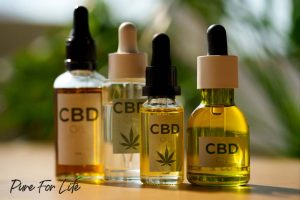
CBD Oil (Hemp Extract Oil): Extracted from the flowers, leaves, and stalks of the plant, where resinous trichomes containing cannabinoids and terpenes are concentrated.
6. How does CBD affect stress, sleep, and discomfort?
CBD interacts with endocannabinoid and serotonin receptors in the body, supporting several key health areas:
-
Stress & Anxiety: Helps regulate cortisol levels and promotes a calm nervous system.
-
Sleep Quality: Supports falling asleep more easily and staying in deep sleep cycles.
-
Inflammation & Discomfort: Helps reduce inflammatory responses and manages muscle and joint discomfort.
7. Is there a difference between oral intake and topical application?
Yes, the method of application determines whether the effect is systemic or localized:
-
Oral/Sublingual Intake: Cannabinoids enter the bloodstream to deliver a systemic effect across the entire body.
-
Topical Application (Skin): Interacts directly with CB2 receptors in the dermal layers, delivering targeted relief specifically to the applied area.
8. Why is CBD used in skincare and cosmetics?
The skin contains a high density of endocannabinoid receptors. When applied topically, CBD helps regulate sebum (oil) production, calms redness and irritation, and protects skin cells from oxidative stress [Source: Dermatological studies on CBD].
9. Does CBD interact with other medications?
Yes, it can. CBD is metabolized in the liver by a family of enzymes known as Cytochrome P450 (CYP450). Many standard prescription drugs rely on this same pathway, so consulting a healthcare professional is recommended if you take prescription medications.
10. Will CBD cause a positive result on a drug test?
Standard drug screenings look for metabolites of THC, not CBD. Because federally compliant hemp contains only trace amounts of THC (under 0.3%), the risk of testing positive when using quality products at standard servings is extremely low, though full-spectrum products carry a minor risk.
11. Is it safe to drive after taking CBD?
Because pure CBD is non-psychoactive and does not impair cognitive or motor skills, driving is considered safe.
12. Are there any side effects of taking CBD?
CBD is generally well-tolerated by most people. In rare cases or at extremely high servings, mild side effects may include dry mouth, drowsiness, or changes in appetite.
13. Do animals have an endocannabinoid system?
Yes, all mammals, birds, and fish possess an endocannabinoid system that functions similarly to the human ECS [Source: Veterinary studies on cannabinoids].
14. Can you build a tolerance or addiction to CBD?
Unlike THC and many pharmaceutical options, CBD is non-habit-forming, does not cause physical dependence, and does not lead to tolerance requiring ever-increasing servings to achieve the same results.
See more about 14 Truths and Myths About CBD and Cannabis